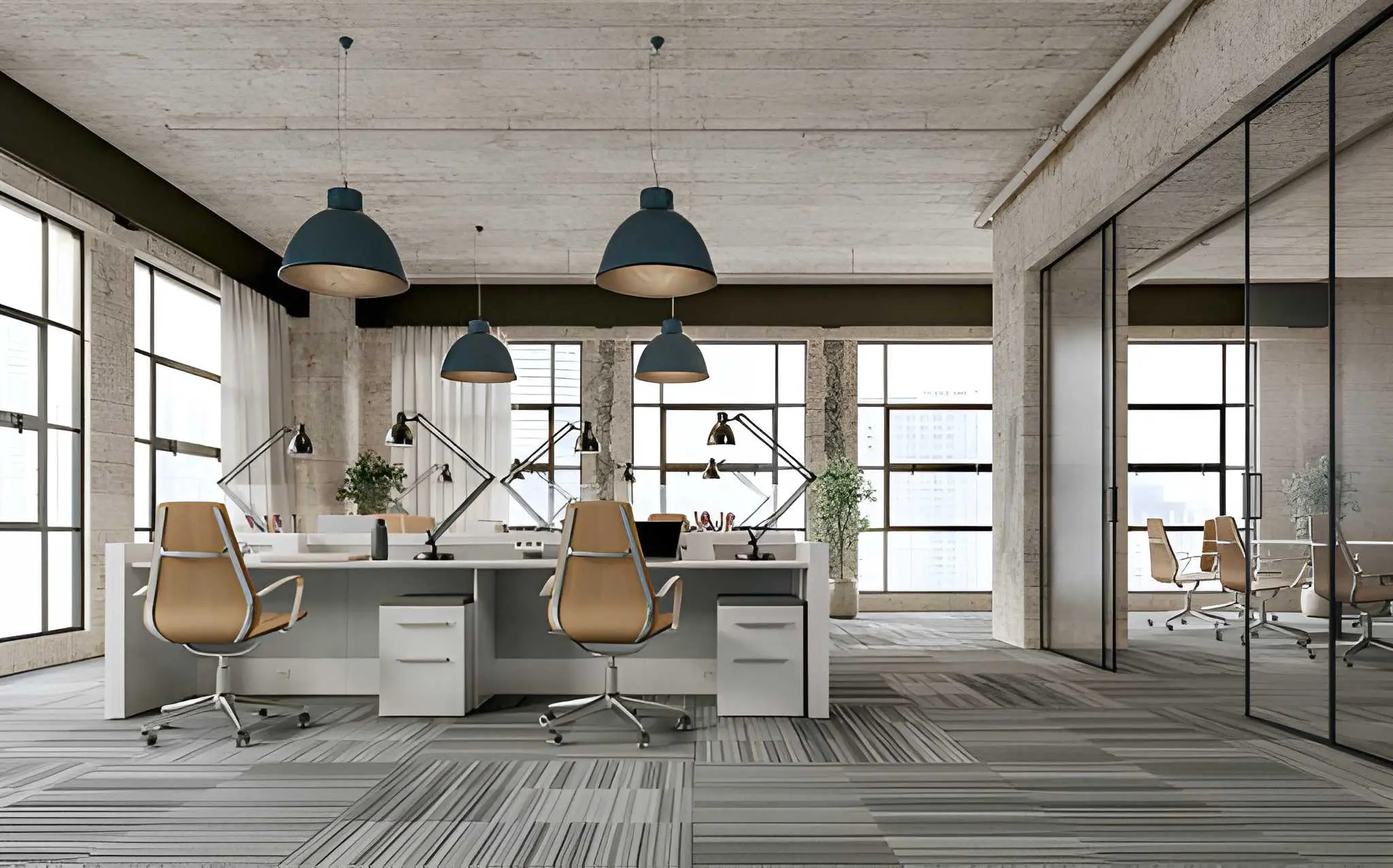
The modern workplace is evolving faster than ever, and 2026 marks a turning point in how offices are designed, experienced, and valued. No longer seen as just a place to work, the office has become a strategic tool for wellbeing, collaboration, creativity, and brand identity. As businesses adapt to hybrid work models, employee expectations, and rapid technological advancement, office design trends in 2026 focus on creating environments that are smarter, healthier, and deeply human-centered.
This shift reflects a broader understanding that productivity thrives where people feel comfortable, supported, and inspired. The offices of 2026 are not only efficient but also emotionally intelligent spaces that respond to human needs.
Human-Centered Design Takes Priority
At the core of office design trends in 2026 is a strong emphasis on human-centered design. Workspaces are being planned around how people actually think, move, interact, and feel throughout the day. Instead of rigid layouts and uniform desks, offices now offer a variety of zones that support different work styles, from focused individual tasks to collaborative brainstorming.
Designers are paying close attention to ergonomics, sensory comfort, and emotional wellbeing. Furniture is adjustable and inclusive, lighting adapts to natural rhythms, and layouts reduce stress rather than create it. The goal is to create spaces where employees feel valued as individuals, not just as workers.
Smart Offices Powered by Intelligent Technology
Technology is seamlessly embedded into office environments in 2026, making workspaces smarter and more responsive. Smart office systems adjust lighting, temperature, and air quality automatically based on occupancy and time of day. This not only improves comfort but also reduces energy consumption and operational costs.
Touchless technology has become standard, from automated doors to voice-controlled meeting rooms, enhancing hygiene and convenience. Workstations are equipped with smart sensors that help employees optimize posture and movement throughout the day. These intelligent features work quietly in the background, enhancing productivity without overwhelming users.
Health and Wellbeing as a Design Foundation
Health-focused office design is no longer optional in 2026; it is a necessity. Companies recognize that physical and mental wellbeing directly impact performance, retention, and satisfaction. As a result, offices are designed to actively support healthier lifestyles.
Natural light is maximized through open layouts and glass partitions, while biophilic elements such as indoor plants, natural textures, and organic shapes bring a sense of calm and connection to nature. Improved ventilation systems and air-purifying materials help maintain cleaner indoor environments, reducing fatigue and illness.
Wellness rooms, quiet zones, and relaxation areas are now common features, allowing employees to recharge during the workday without leaving the office.
Flexible Layouts for Hybrid Work Models
The hybrid work model continues to shape office design trends in 2026. Offices are no longer designed for full-time occupancy by every employee. Instead, flexibility is key. Modular furniture, movable walls, and adaptable spaces allow offices to change function throughout the day or week.
Hot-desking areas coexist with dedicated team zones, ensuring both flexibility and a sense of belonging. Meeting rooms are designed to support both in-person and remote participants equally, with layouts that encourage inclusion and collaboration. This adaptability ensures that office space is used efficiently while still feeling dynamic and welcoming.
Focus on Acoustic Comfort and Privacy
As offices become more open and collaborative, acoustic comfort has emerged as a major design priority in 2026. Poor sound control can increase stress and reduce concentration, so designers are implementing advanced acoustic solutions.
Sound-absorbing panels, soft furnishings, and ceiling treatments help manage noise levels without sacrificing openness. Private pods and enclosed focus rooms provide quiet spaces for deep work or confidential conversations. This balance between openness and privacy allows employees to choose environments that best suit their tasks.
Sustainable and Responsible Office Design
Sustainability is deeply integrated into office design trends for 2026. Businesses are increasingly aware of their environmental responsibilities, and offices reflect this commitment through eco-friendly materials and energy-efficient systems.
Recycled and low-impact materials are widely used in furniture and finishes. Energy-efficient lighting, smart climate control, and water-saving features reduce the overall environmental footprint. Sustainable design is no longer just about compliance; it has become a visible expression of company values and long-term thinking.
Design That Reflects Brand and Culture
In 2026, office design plays a key role in expressing company identity and culture. Workspaces are tailored to reflect a brand’s personality, values, and mission, creating a sense of pride and connection among employees.
Color schemes, artwork, and spatial layouts are carefully chosen to reinforce brand messaging. Offices feel less corporate and more authentic, often resembling creative studios, lounges, or hospitality spaces. This approach helps attract talent, impress clients, and strengthen internal culture.
Also Read-Buy Home Decor Items Online at Best Prices in India
Inclusive and Accessible Work Environments
Inclusivity is a defining feature of modern office design. In 2026, workspaces are created to accommodate diverse abilities, preferences, and working styles. Accessibility is thoughtfully integrated, not added as an afterthought.
Desks, seating, and circulation paths are designed to support mobility and comfort for all users. Sensory-friendly spaces consider lighting, sound, and texture to support neurodiverse employees. Inclusive design ensures that everyone can participate fully and comfortably in the workplace.
The Office as a Social and Creative Hub
With remote work handling many routine tasks, the office of 2026 is designed as a destination rather than an obligation. It becomes a place for collaboration, learning, and social connection. Informal meeting areas, cafés, and shared lounges encourage spontaneous interaction and idea exchange.
These social spaces are thoughtfully designed to feel inviting and relaxed, helping teams build stronger relationships. The office becomes a hub where creativity thrives, and company culture comes alive through shared experiences.
Looking Ahead: The Future of Office Design
Office design trends in 2026 show a clear move toward spaces that serve people first. Smarter technology, healthier environments, and human-centered planning are reshaping how we think about workspaces. The office is no longer just a physical location but a carefully designed ecosystem that supports productivity, wellbeing, and connection.
As businesses continue to adapt to changing work patterns, the most successful offices will be those that remain flexible, inclusive, and deeply attuned to human needs. In 2026 and beyond, great office design is not about following trends—it is about creating environments where people can truly thrive.
Also Read-Home Office Design: Create a Space That Works for You