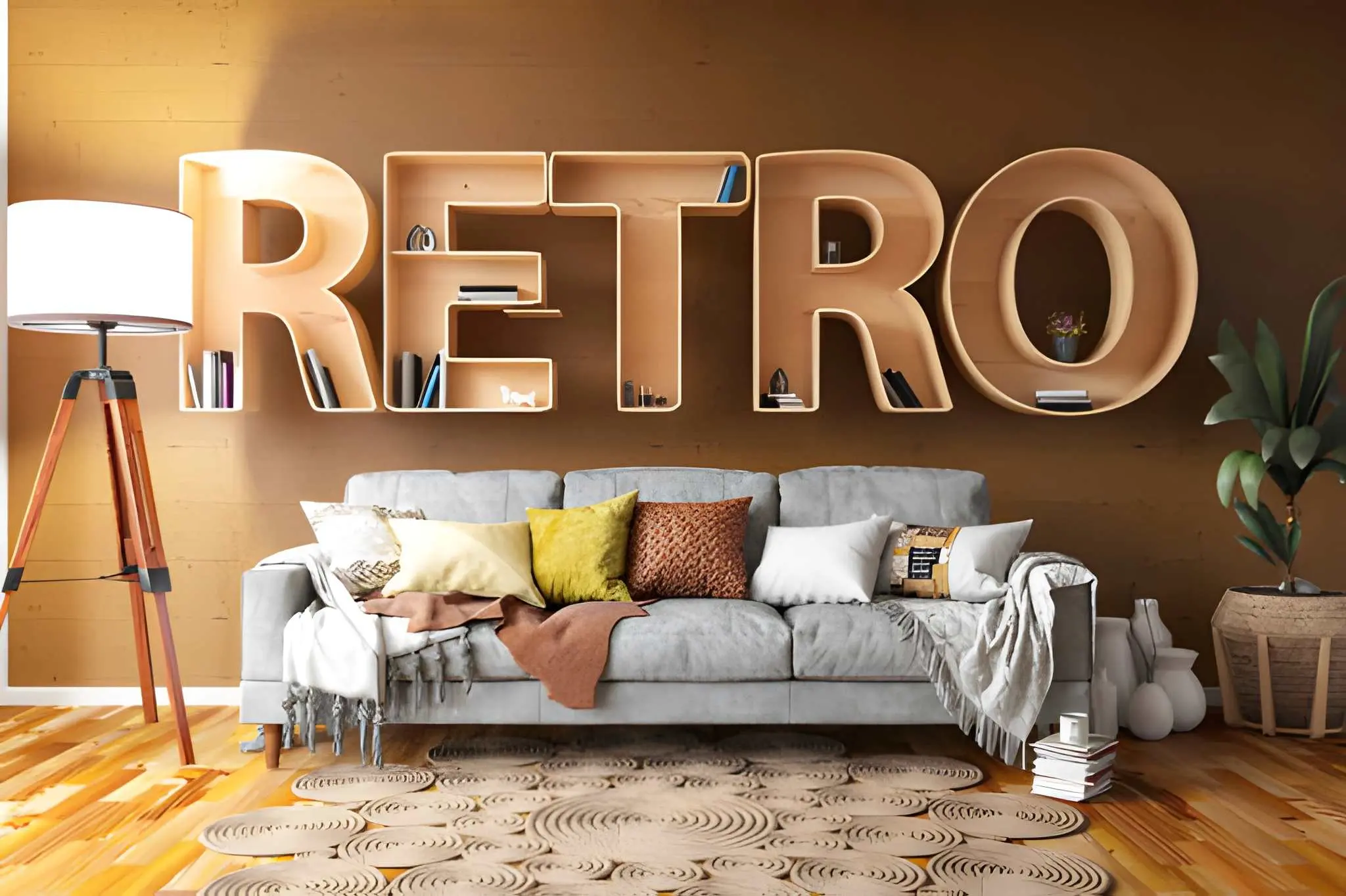
The way we live, work, and relax at home continues to evolve, and furniture design is evolving right along with it. In 2026, furniture is no longer just about filling a space—it’s about adaptability, emotional comfort, sustainability, and smart functionality. Homes are becoming more personal, more flexible, and more reflective of individual lifestyles. From modular designs to nature-inspired materials, this year’s furniture trends are shaping interiors that feel intentional and future-ready. Here are the five biggest furniture trends defining 2026.
1. Modular and Multi-Functional Furniture Takes Center Stage
In 2026, flexibility is no longer a luxury—it’s a necessity. Modular and multi-functional furniture is dominating modern interiors as people demand spaces that can easily adapt to changing needs. Sofas that transform into beds, dining tables that expand or fold away, and storage units that can be reconfigured are becoming household essentials.
This trend is driven by smaller living spaces, remote work, and multi-purpose rooms. Furniture is designed to work harder while taking up less space, allowing one room to serve multiple functions throughout the day. Clean lines, lightweight structures, and easy-to-move components make modular furniture both practical and stylish, perfect for modern urban living.
2. Natural Materials and Organic Textures Make a Strong Return
As people seek balance in an increasingly digital world, furniture trends in 2026 are leaning heavily toward nature-inspired materials. Wood, stone, rattan, bamboo, linen, and wool are being used in their most authentic forms, with visible grains, textures, and imperfections embraced rather than hidden.
This trend focuses on warmth, calmness, and a tactile connection to nature. Earthy tones like sand, clay, olive, and soft browns dominate furniture palettes, creating soothing interiors that feel grounded and timeless. Sustainability also plays a major role, with responsibly sourced and long-lasting materials becoming a priority for conscious buyers.
3. Soft Curves and Comfort-First Design
Sharp edges and rigid shapes are giving way to softer, more inviting forms in 2026. Curved sofas, rounded armchairs, oval dining tables, and sculptural furniture pieces are redefining comfort-focused design. These gentle shapes create a sense of flow and relaxation, making spaces feel more welcoming and emotionally warm.
Comfort is no longer hidden behind aesthetics—it is the design itself. Deep seating, plush upholstery, and ergonomic support are key features, allowing furniture to support both physical relaxation and mental well-being. This trend reflects a growing desire for homes that feel like a retreat from fast-paced daily life.
4. Smart Furniture with Subtle Technology Integration
Technology in furniture is becoming smarter—and quieter. Instead of flashy features, 2026 focuses on seamless integration that enhances everyday life without disrupting design. Smart furniture includes built-in wireless charging, adjustable lighting, temperature-aware materials, and hidden storage for tech devices.
The emphasis is on simplicity and ease. Furniture looks elegant and minimal while offering intuitive functionality that blends into daily routines. This trend is particularly popular in home offices, bedrooms, and living areas, where technology supports productivity and comfort without dominating the space.
5. Personalization and Statement Pieces Define Modern Interiors
Mass-produced furniture is losing ground to personalized and statement-driven design. In 2026, homeowners want furniture that tells a story and reflects their identity. Custom finishes, unique color choices, mixed materials, and artisanal details are in high demand.
Rather than filling rooms with matching sets, people are choosing standout pieces that become focal points—such as a bold accent chair, a sculptural coffee table, or a handcrafted cabinet. This approach creates layered, expressive interiors that feel curated rather than generic, blending individuality with modern design sensibilities.
Final Thoughts
The furniture trends of 2026 are shaped by how people truly live today—seeking comfort, flexibility, sustainability, and self-expression. Homes are becoming smarter, warmer, and more personal, with furniture playing a central role in shaping daily experiences. Whether it’s modular designs for adaptable living, organic materials for calm interiors, or statement pieces that showcase personality, these trends reflect a future where furniture is not just functional, but deeply meaningful.
Also Read-10 Most Popular New Home Bars Right Now